Development projects
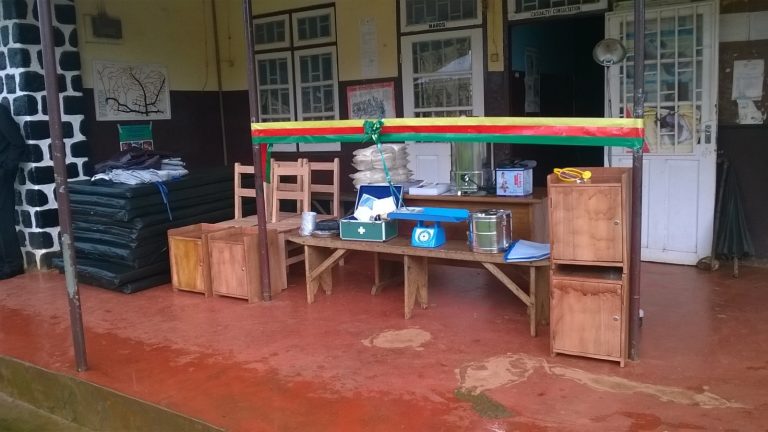
In 2017 we worked closely with SHUMAS to undertake a wide-ranging impact assessment on the construction work completed over the previous 10 years. We are delighted with all the positive impacts that our projects have had on these communities and with the recognition that we have gained at both regional and national government level. You can read the full report here.
Growing schools
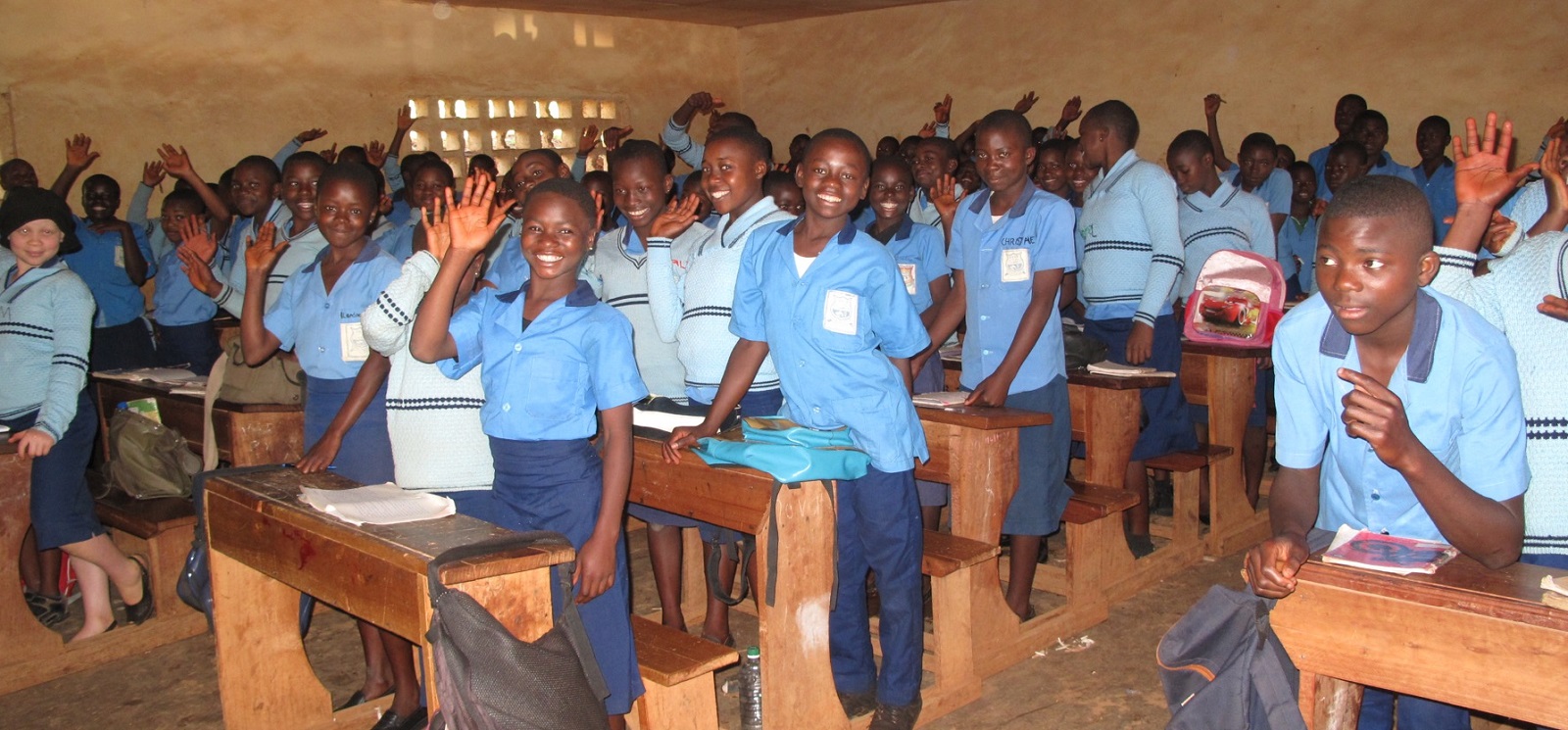
Every school that we have helped has experienced a significant increase in enrolment in the year or two following construction. Although a few have seen these numbers decrease a little when other new schools have been constructed nearby, 75% of our schools have enjoyed a sustained increase and more teachers have been employed at these schools. The largest increase was seen at GBSS Kimbo, where pupil numbers grew from 48 in 2008 to over 1500 in 2016. This has been helped by the construction of a river bridge we helped to construct in the community, which has enabled pupils to access the school even during the dangerous times of flooding, when in the past some children had been swept away.
Creating citizens
Many more parents at these schools now have the incentive to apply for birth certificates without which the child cannot take school examinations, progress through the education system or even attain full citizen rights.
Healthy and motivated pupils
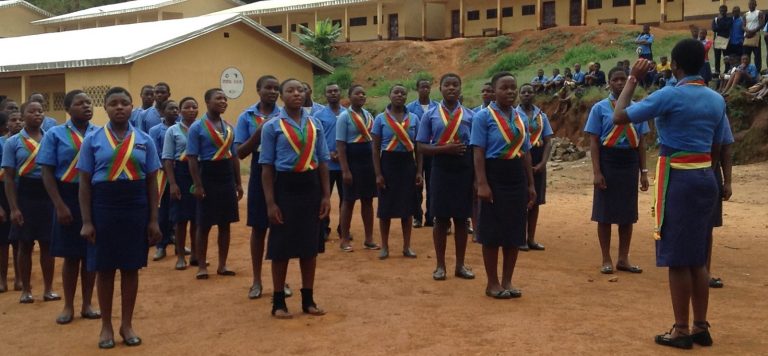
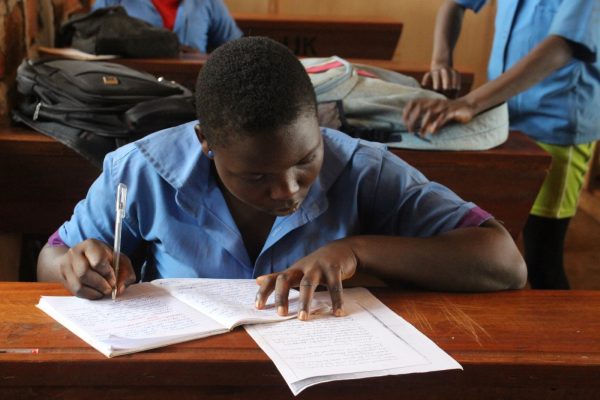
There is less absenteeism and punctuality is much better. Several schools that the children, especially girls, felt safer at school.
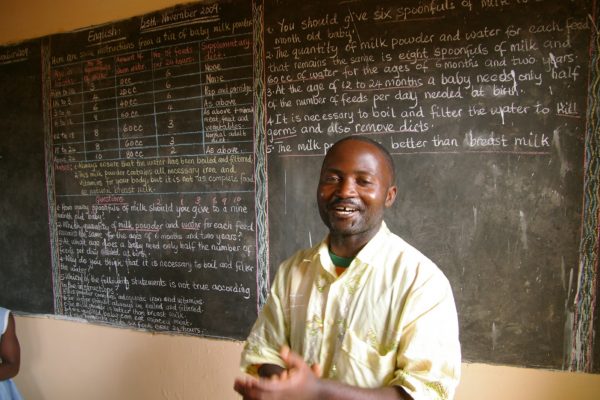
More time for teaching
The new blackboards, classroom furniture and school office all helped to make their jobs much easier and the
improved health of the children – in particular the reduction in jigger flea infestation – resulted in better behaviour.
Empowering women
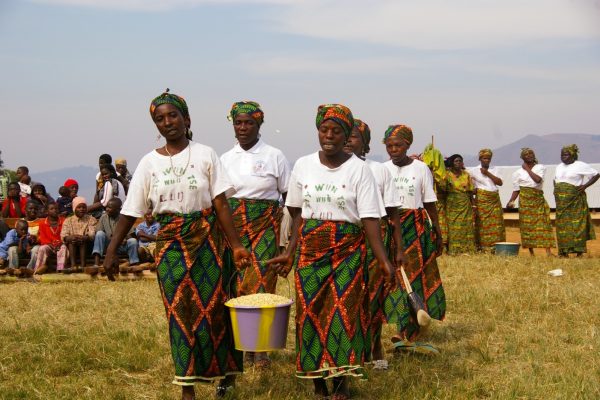
The inclusion of women’s groups in our projects and the support they receive from the SHUMAS micro-credit scheme has resulted in many improvements both at schools and at home.
Developing communities
Communities were recognised as being empowered by these projects and better able to initiate further change and development.
Access to clean water
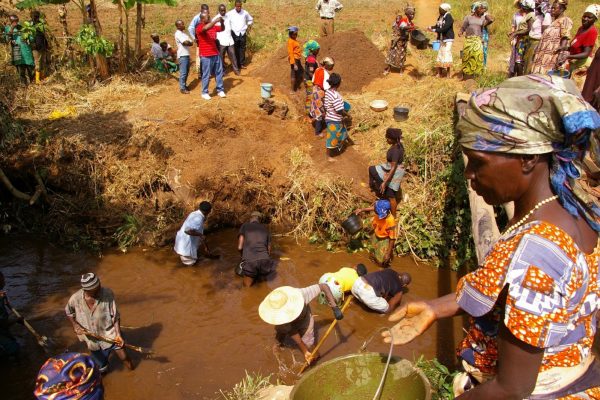
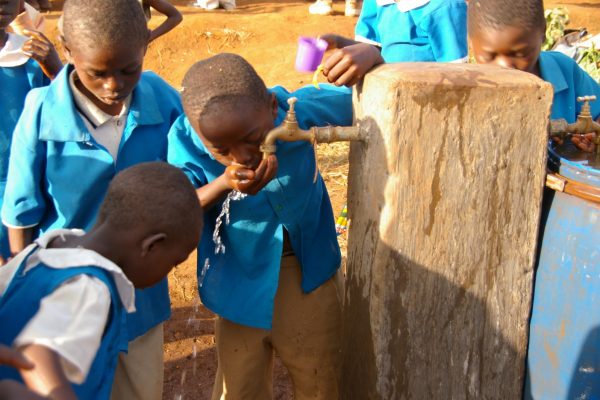
Water projects had a huge impact on the quality of life particularly in the rural areas. Better health and hygiene were noted together with improved wider aspects of development and community cohesion.
Improved health centres
Savings on journey times and cost produced better outcomes for serious disease or illness and cost savings for patients and their families resulted in a general improvement in the standard of living.